
COMING SOON: Shoreline Planting Guide
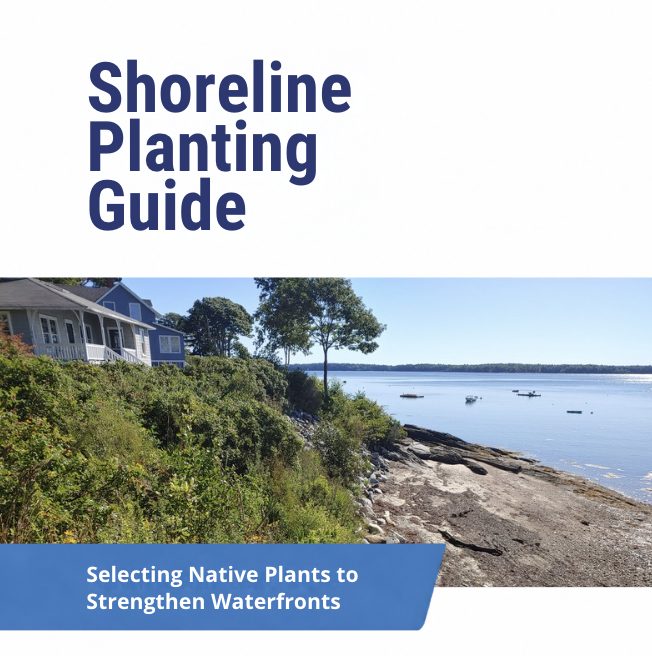
Living in Maine means being surrounded by incredible waterways—from quiet, clear lakes and meandering streams to rugged coastal bluffs. But protecting these delicate shorelines takes intentional care.
To help property owners nurture resilient waterfronts, the Cumberland County Soil & Water Conservation District (CCSWCD) has put together a Shoreline Planting Guide designed specifically for Maine’s unique ecosystems.
Whether you are managing a freshwater pond, a lakefront lot, or a coastal bank, here is how working with nature can protect your property and Maine's waters for years to come.
Why Vegetated Shorelines Matter
A manicured green lawn right up to the water’s edge might offer clear views, but shallow turf roots do very little to hold soil in place during heavy rains or high water. Establishing a vegetative buffer strip creates a multi-layered barrier:
Erosion Control: Deep, interlocking root systems from native trees, shrubs, and groundcovers anchor the soil.
Water Quality Protection: Multi-tiered vegetation slows storm runoff, filtering out sediment, excess nutrients, and pollutants before they reach the water.
Wildlife Habitat: Native buffer plantings supply food, shelter, and travel corridors for birds, pollinators, and aquatic species.
Low-Maintenance Resilience: Native plants thrive in local soils and weather conditions, drastically reducing the need for fertilizers, pesticides, or constant watering once established.
Key Principles of Shoreline Planting in Maine
1. Aim for Five Layers of Vegetation
A healthy shoreline mimics a natural ecosystem with diverse layers:
Canopy Trees: Large native trees (like Red Maple or Eastern White Pine) intercept heavy rain droplets.
Understory Trees & Large Shrubs: Mid-height growth (like Serviceberry) adds vertical structure.
Small to Medium Shrubs: Dense shrubs (like Sweet Gale or Winterberry) stabilize the middle ground.
Groundcover Layer: Native perennials, ferns, and grasses cover bare soil to prevent washing away.
Duff Layer: Leaves, pine needles, and natural organic mulch protect soil moisture and absorb impact.
2. Choose Native, Site-Adapted Species
Select plants matched to your specific site conditions—accounting for sun exposure, soil depth, moisture level, and salt exposure (if planting along coastal bluffs).
Moist Lake & Stream Banks: Buttonbush, Dogwoods, Sweet Gale, and Cinnamon Fern.
Exposed or Coastal Sites: Bayberry, Beach Plum, Rugosa-substitutes, and native coastal grasses.
3. Planting Technique Tips for Success
Dig Wide, Not Deep: Make your planting hole 2 to 3 times wider than the root ball, keeping the plant slightly above grade.
Skip Extra Amendments: Avoid heavy compost or fertilizer in the first season; native plants adapt best when backfilled with native soil.
Water Deeply: Water thoroughly once a week during the first growing season to encourage deep root growth.
Protecting Cumberland County’s Waters Together
Creating a living shoreline isn't about blocking your water views—it’s about thoughtfully designing a landscape that protects property from erosion while supporting the ecosystems we love.
For site consultations, native plant lists, and local conservation events, connect with the Cumberland County Soil & Water Conservation District.