
Autumn YardScaping: Working With Nature
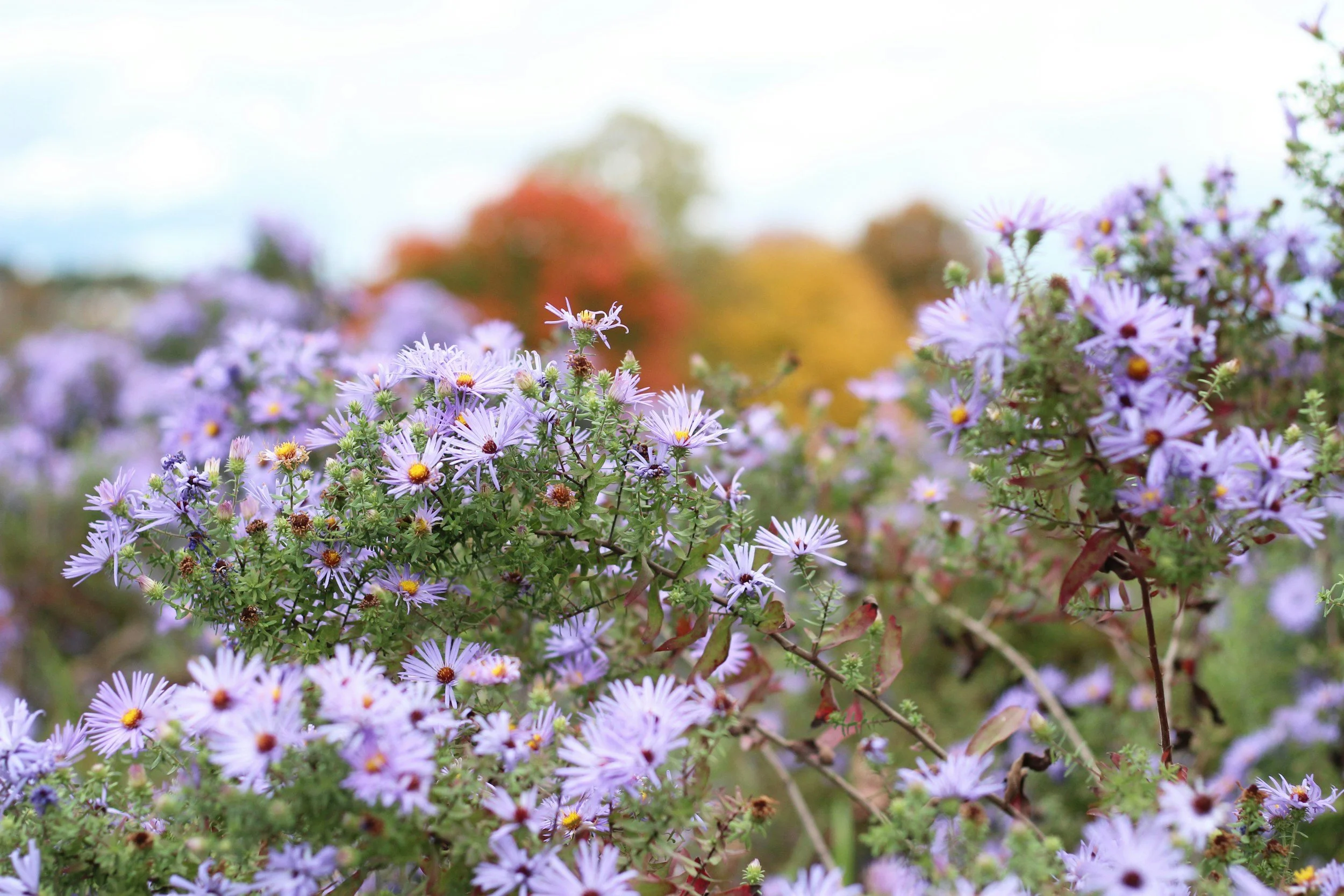
As the crisp autumn air rolls through Cumberland County and the leaves turn vibrant shades of red and gold, it’s easy to think our yard work is winding down. But autumn isn't just about pumpkin spice and cozy sweaters—it’s actually the most critical season for building healthy soil, protecting our local watersheds, and prepping a low-maintenance, wildlife-friendly landscape for spring!
Adopting YardScaping practices in the fall means working with nature rather than against it. By shifting a few routine habits, you can save time and money while keeping pesticides and excess nutrients out of local lakes, streams, and Casco Bay.
Here are four simple, high-impact fall YardScaping practices to try right now.
1. "Leave the Leaves" (Or At Least Put Them to Work!)
Before you spend hours raking, bagging, and hauling every fallen leaf off your property, take a breather! Fallen leaves are nature’s free, high-quality fertilizer and mulch.
Mulch Your Lawn: Run your lawnmower over thin layers of leaves directly on your grass. The shredded leaves will break down over winter, adding organic matter and nutrients right back into the soil.
Protect Garden Beds: Scoop up fallen leaves and spread a 2- to 3-inch layer over your garden beds. This insulates plant roots against Maine’s harsh freeze-thaw cycles and creates crucial overwintering habitat for beneficial pollinators like Luna moths and native bees.
2. Test and Topdress Your Soil
Autumn is the single best time of year to improve soil health. Healthy, deep topsoil holds more water and nutrients, which prevents erosion and reduces the need for frequent watering or chemical inputs.
Get a Soil Test First: Don't guess what your soil needs! Grab a soil test kit from the District office or UMaine Cooperative Extension. Testing reveals your soil’s exact pH and nutrient levels, ensuring you only add what’s necessary.
Topdress with Compost: Spread a thin layer (about ¼ inch) of quality compost over your lawn or garden. Aerating beforehand helps the organic matter sink deep into the root zone, encouraging strong root growth all winter long.
3. Plant Native Perennials, Trees, and Shrubs
Late summer through early autumn is the ultimate planting window in Maine. The air is cooler, but the soil is still warm, giving young roots time to establish without the stress of summer heat.
Choose Native Species: Native plants—like Joe Pye weed, red maples, asters, and dogwoods—are naturally adapted to local soil and climate conditions. Once established, they require minimal watering and zero chemical fertilizers or pesticides.
Feed the Wildlife: Fall-planted native species provide nectar for migrating butterflies and vital seeds or shelter for birds surviving the winter.
4. Rethink Your Fall "Clean-Up"
Traditional landscaping preaches cutting everything down to bare ground in October, but a tidy garden isn't always a healthy garden for the local ecosystem.
Keep Seed Heads Standing: Leave dried seed heads on native flowers like coneflowers and asters. They act as natural winter bird feeders when food becomes scarce.
Save Hollow Stems: Many beneficial insects hibernating through the winter nest inside hollow plant stalks. Wait until late spring—after temperatures consistently stay above 50°F—to trim them back.
Ready to Turn Your Yard Into a Conservation Haven?
Small changes in our own backyards add up to big improvements for our soil and water quality.
Want personalized recommendations for your property? Learn more about our technical assistance programs, request a free site visit, or check out our YardScaping demonstration sites at the Cumberland County Soil & Water Conservation District. Happy planting!