
Not All Grass is Good Grass: A Friday in the Field with CCSWCD
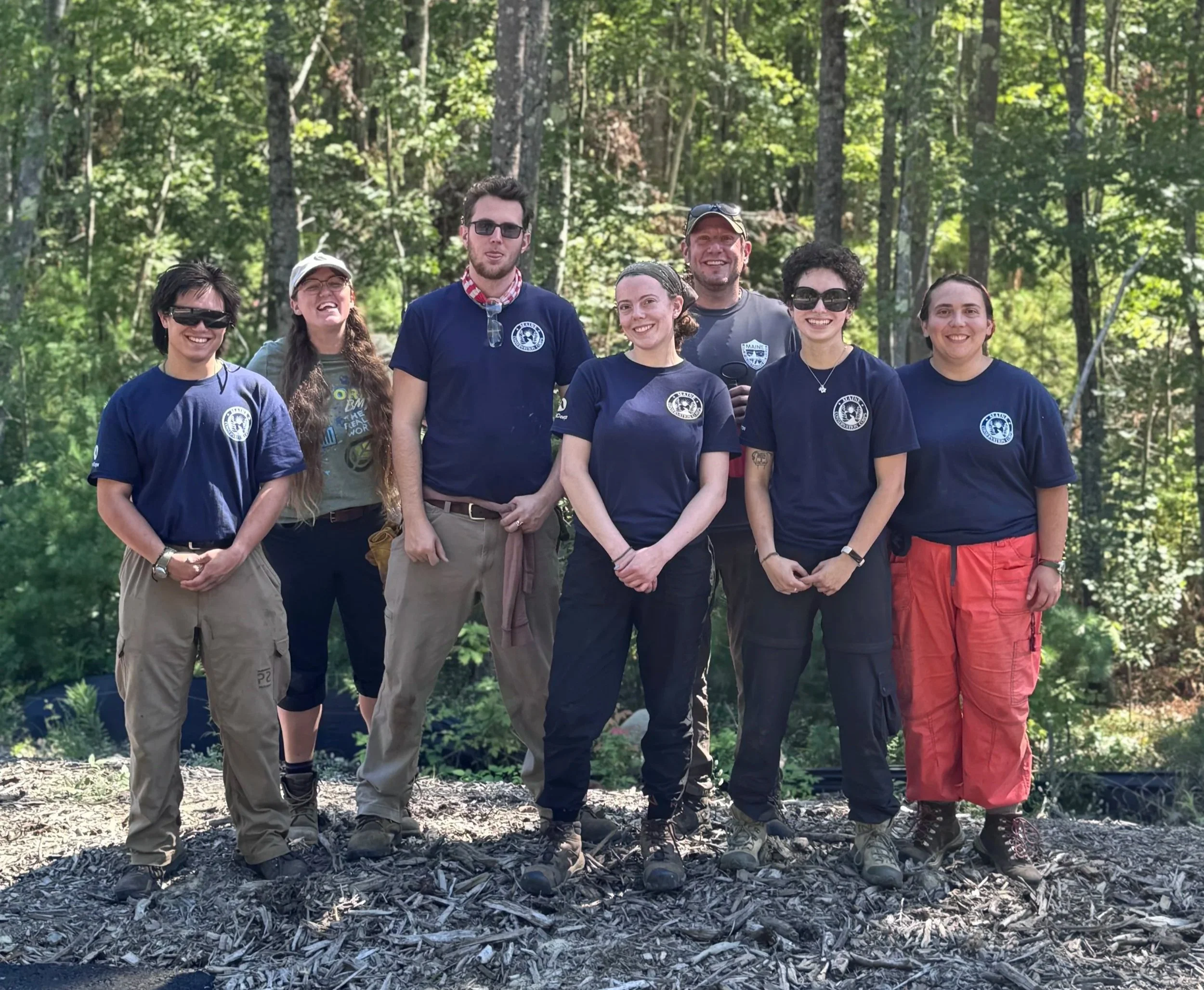
It was a classic early autumn day—crisp air, golden sunlight, and the first hints of foliage beginning to turn. But while many were out enjoying the trails, a dedicated crew from the Cumberland County Soil & Water Conservation District (CCSWCD), Maine Conservation Corps, and Inland Fish & Wildlife was out in a quiet stretch of woodland in Biddeford, rolled up in work gloves and laser-focused on the forest floor.
Our target? Japanese stiltgrass (Microstegium vimineum).
Why Stiltgrass Is a Big Deal in Maine
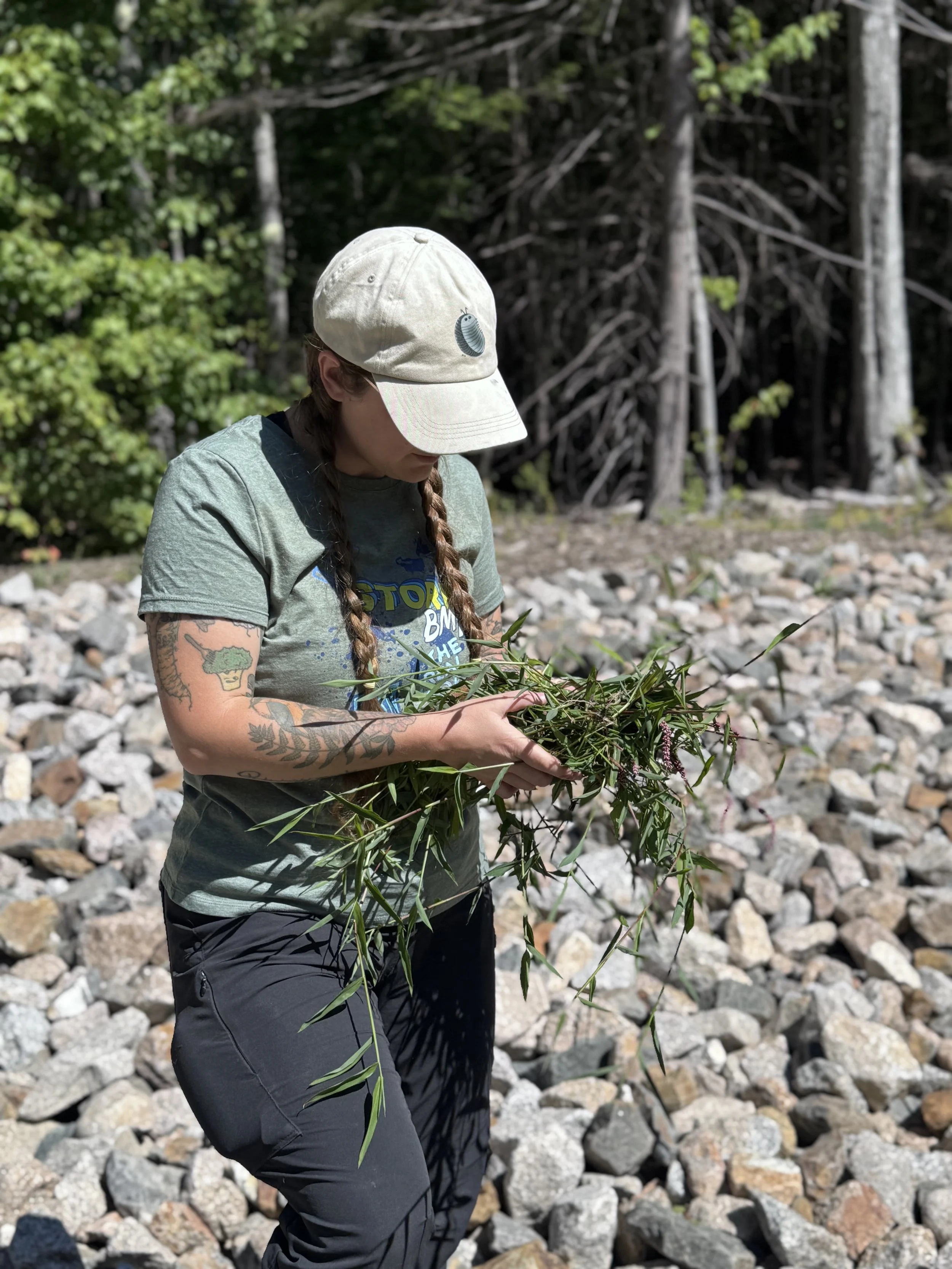
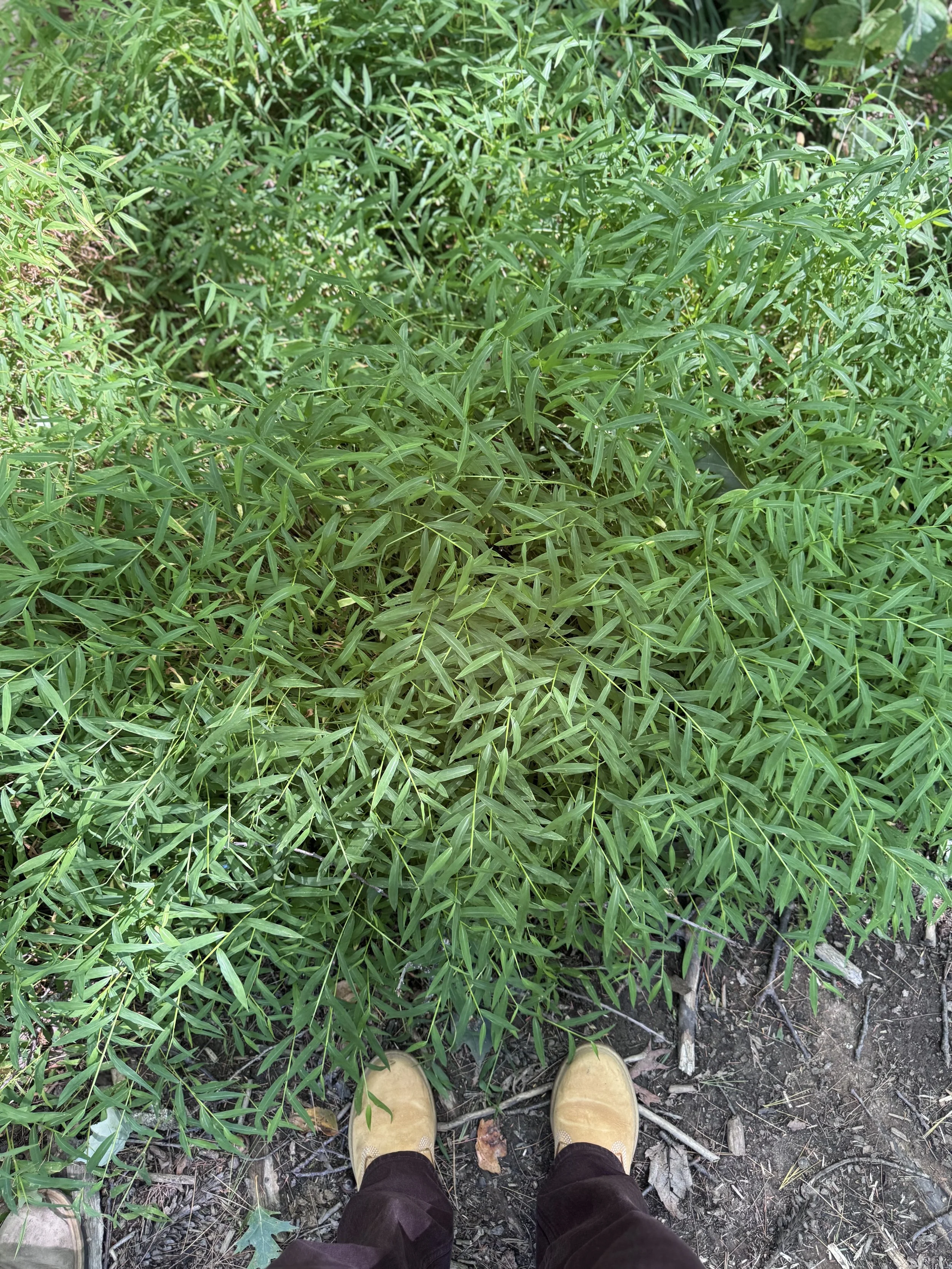
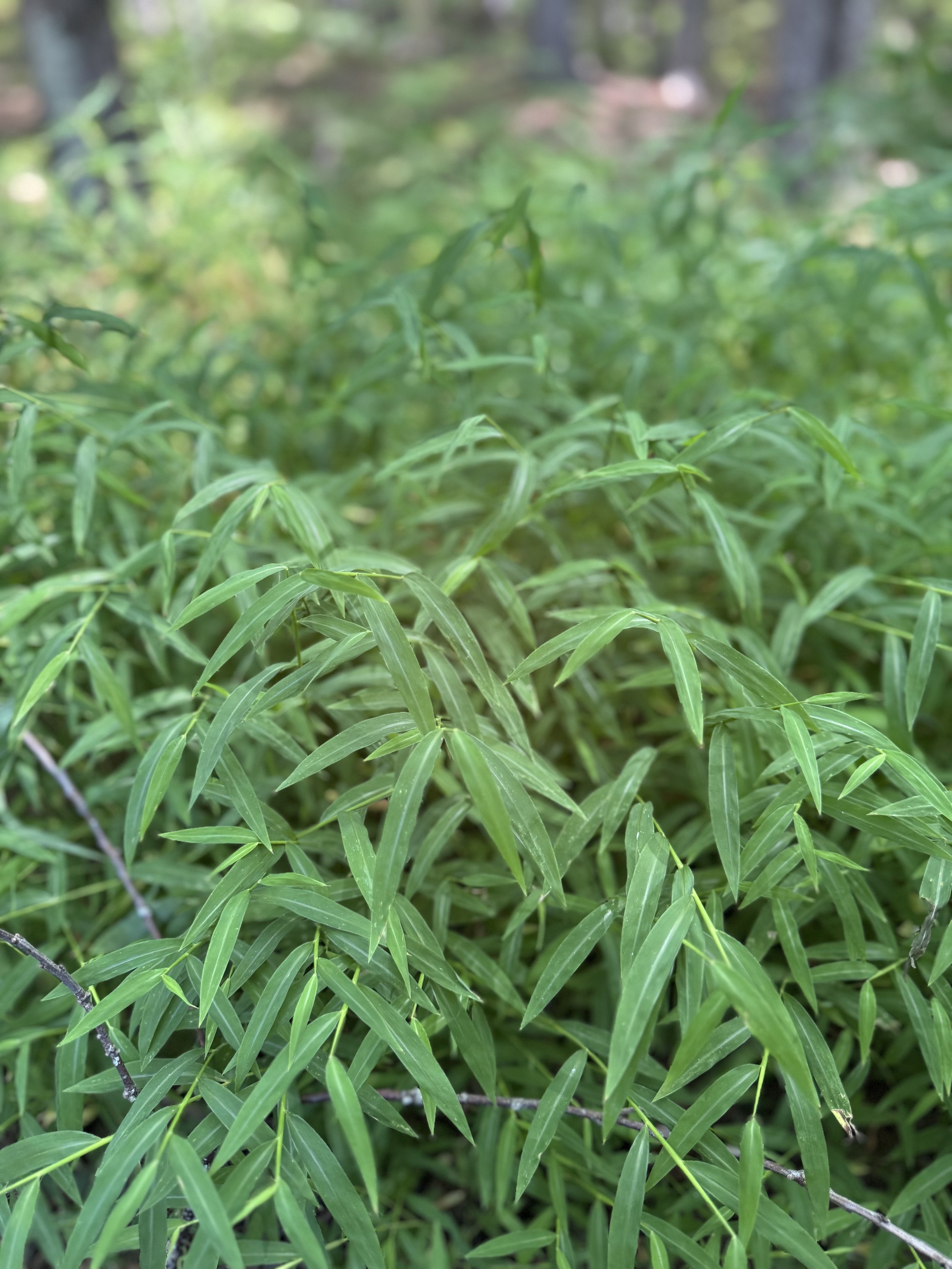
To the untrained eye, Japanese stiltgrass might look like an innocent, delicate forest grass. But don't let its humble appearance fool you. Stiltgrass is an exceptionally fast-moving invasive species that threatens to rewrite the story of Maine’s forest floors.
Thriving in shaded, damp woodlands, stiltgrass forms dense, tangled mats that blanket the ground. As it spreads, it smothers native wildflowers, crowds out tree saplings, and prevents the natural regeneration of the forest understory. Even worse, it alters soil chemistry, disrupts local insect and wildlife habitat, and dries out late in the season to create a significant fire hazard.
Because stiltgrass is still a relatively recent intruder in Maine compared to southern New England, early detection and swift response in places like Biddeford are our absolute best line of defense.
Friday’s Work: Boots on the Ground
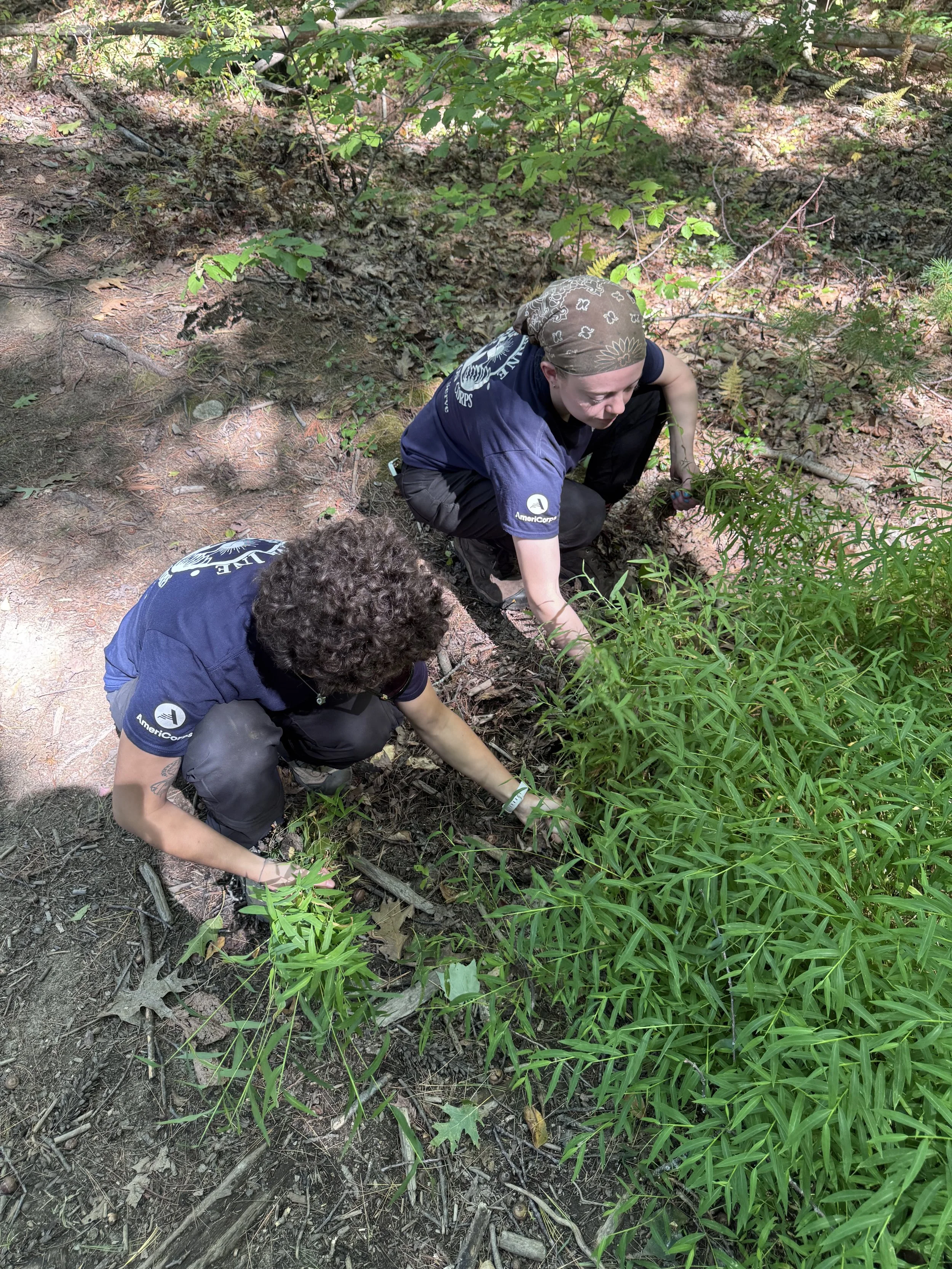
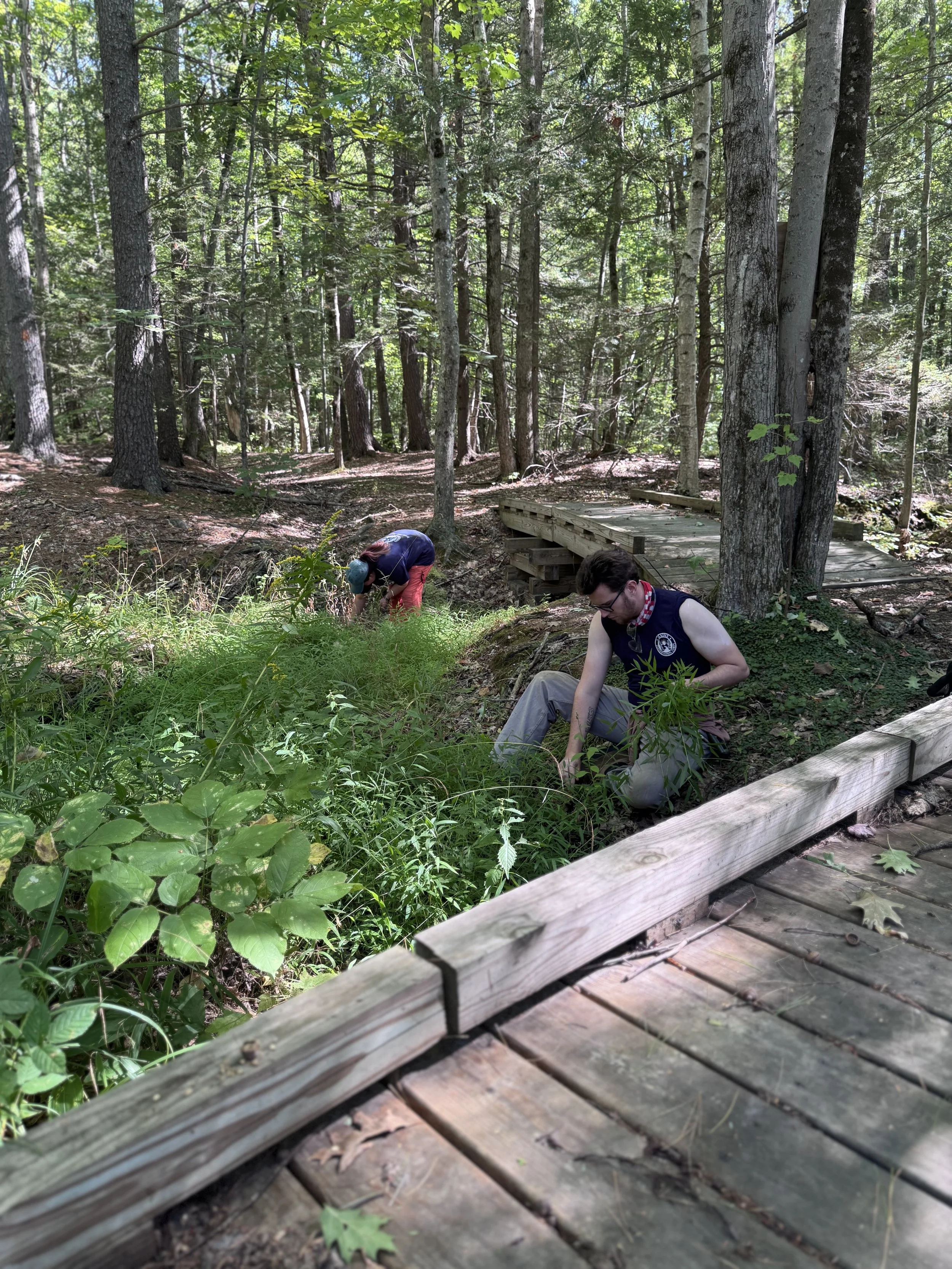
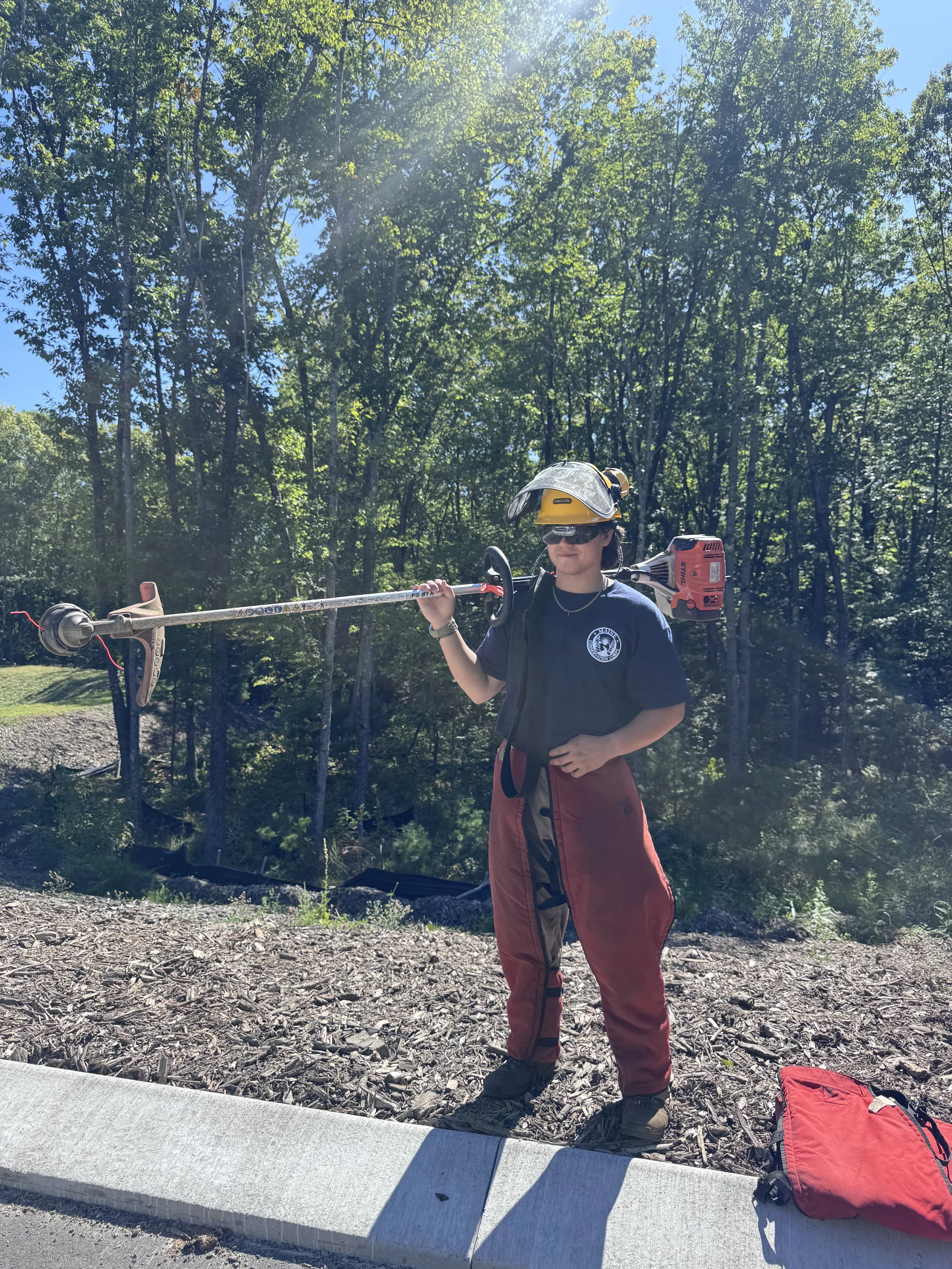
Armed with weed whackers and a lot of determination, our team set to work mapping and hand-pulling an infestation tucked along stormwater BMPs and streams on the edges of the forest.
The good news? Stiltgrass has very shallow root systems, making it surprisingly easy to pull up by the root.
The tricky news? Timing is everything. Late summer and early autumn are critical windows for stiltgrass control. By pulling the plants right now—before they fully drop their seed heads—we can eliminate millions of potential seeds from entering the soil seed bank for next spring.
After hours of carefully clearing the area, we bagged up every last stem for proper disposal (composting it is a big no-no, as seeds can survive!) and scrubbed our boots clean to make sure we didn't accidentally transport stray seeds to our next field site.
How You Can Spot (and Stop) Stiltgrass
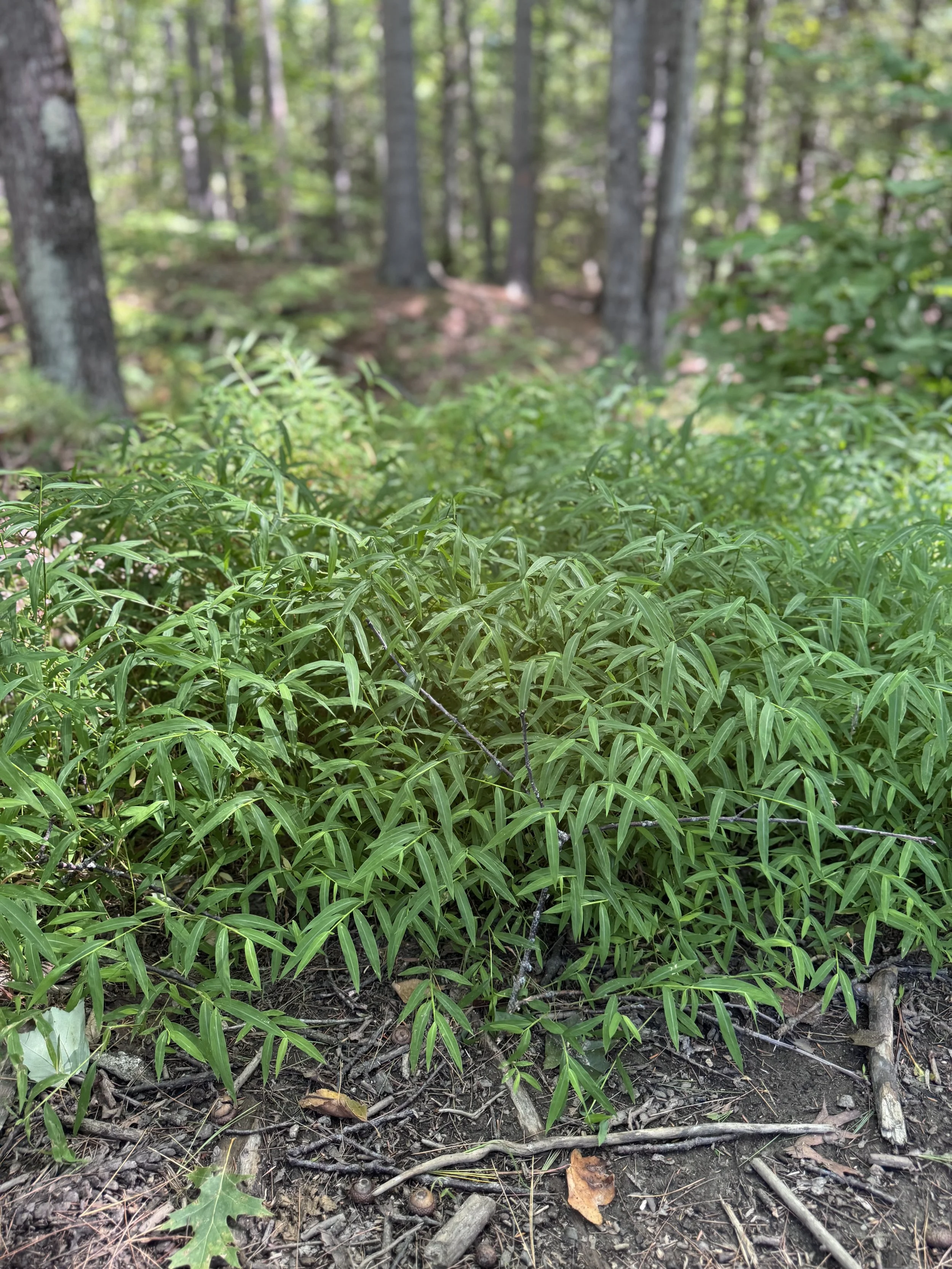
Stopping the spread of invasive species takes a village—and your eyes on the trail make a huge difference! Here’s what to look out for on your next hike or bike:
The Silver Stripe: Look for lime-green, lance-shaped leaves with a distinctive, shiny silvery stripe running down the middle off-center.
Bamboo-Like Stems: Stiltgrass stems resemble tiny, delicate bamboo stalks and can grow anywhere from 1 to 3 feet tall.
Shallow Roots: Unlike many native grasses, stiltgrass pulls out of the damp ground with almost zero resistance.
What To Do If You Find It
Snap a photo: Take clear, close-up photos of the leaves, stem, and overall patch.
Report it: Upload your sighting to iMapInvasives or email local conservation authorities so land managers can log the infestation site.
Play Clean Go: Always brush off your hiking boots, dog paws, and gear before leaving a trail to prevent hitchhiking seeds from spreading to new forests!
A huge thank you to everyone working behind the scenes and in the field to protect our local ecosystems. Every bag of invasives removed gives our native species room to breathe, grow, and thrive for seasons to come.
Interested in joining a volunteer work party or learning more about soil and water conservation in our region? Reach out to the CCSWCD team or visit our website to get involved!